

Menu
Available Technologies
Novel Nucleic Acid Therapeutics for Inflammatory Diseases
Reduces inflammatory cytokines through a different mechanism, offering a new treatment option for inflammatory diseases such as atherosclerosis and MASH.
Background
Inflammatory diseases affect a vast global population and drive chronic conditions like atherosclerosis and MASH. Macrophage-driven inflammation plays a key role in plaque formation and liver fibrosis, yet current treatments are limited, highlighting the need for new molecular approaches targeting this pathway.
Description and Advantages
Researchers at Kyoto University and Osaka University, working collaboratively, identified a long non-coding RNA (lncRNA) whose expression in human macrophages changes in response to cholesterol. They developed a synthetic nucleic acid that suppresses this lncRNA. When introduced into human macrophages, it inhibits the maturation of inflammatory cytokine mRNAs, reducing the expression of cytokines such as IL-6 and TNF. This work highlights a novel therapeutic target and a promising nucleic acid-based approach.
⮚Reduced atherosclerotic lesions and fibrotic areas in MASH liver confirmed
Deleting the homologous lncRNA in mice suppressed macrophage-driven inflammation and slowed progression of atherosclerosis and MASH (Fig. 1). Treatment with the synthetic nucleic acid also improved inflammatory markers and liver function.
⮚Compatible with existing therapies
This new approach targets macrophages to regulate inflammation via a mechanism distinct from conventional lipid- or glucose-focused therapies. It can be combined with existing treatments and may extend to inflammatory diseases beyond atherosclerosis and MASH.
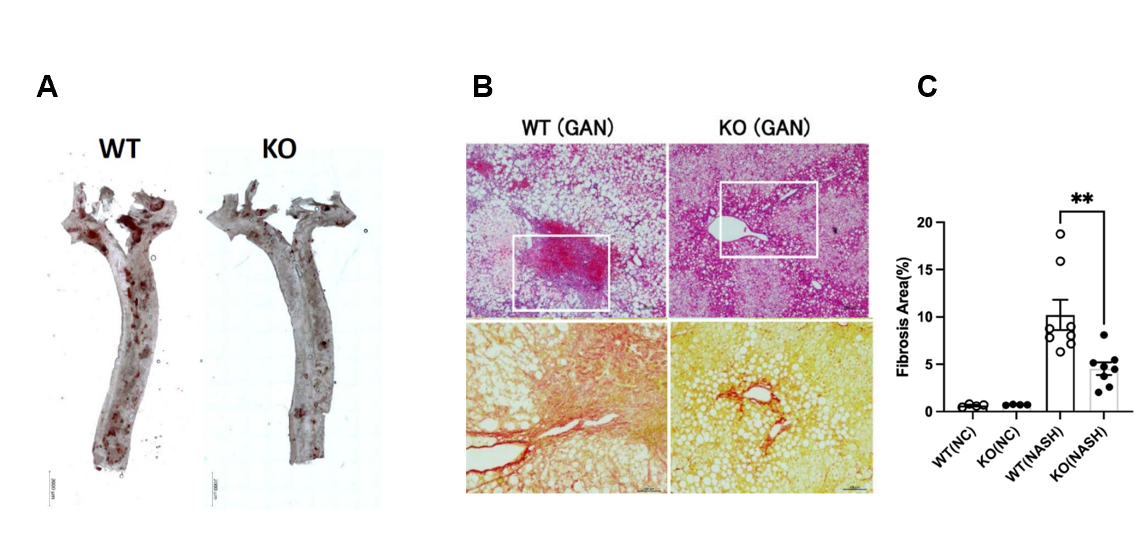
Fig. 1: Suppressive effects on disease lesions caused by lncRNA deficiency
A: Atherosclerosis model mice (ApoE-deficient mice):
In lncRNA knockout (KO) mice, the amount of plaque stained with Sudan IV was reduced compared with lncRNA wild-type (WT) mice.
B&C: MASH/NASH disease model mice (GAN diet):
In lncRNA knockout (KO) mice, a reduction in the fibrosis area of the liver was observed.
| Development Status |
・In-vitro anti-inflammatory effect confirmed with synthetic nucleic acid ・In vivo efficacy demonstrated by reduced atherosclerosis and liver fibrosis in disease mouse models lacking the homologous lncRNA TRL: Level 3 |
|---|---|
| Offer | ・Patent License ・Option for Patent License ・Collaborative Research |
| Related Links | View PDFView in Japanese |
Have you found what you were looking for?
- Interested in a particular research activity
- Cannot find the information
- Have questions on how to utilize research results
Feel free to contact us and get answers to your questions.
Inquiry- TLO-KYOTO
- Available Technologies
- Novel Nucleic Acid Therapeutics for Inflammatory Diseases

3rd Floor, International Science
Innovation Building, Kyoto University
Yoshidahonmachi, Sakyo-ku, Kyoto
606-8501 JAPAN